
Learning to drive starts before you turn the key. You need to understand which application steps apply to you, what to study, and when you can legally begin practicing. These learner’s permit basics give teen learners, adult beginners, and parents a starting point without treating every state’s rules as identical.
For 2026, the question is not simply whether you can apply online. It is which steps your state lets you complete remotely, which require an office visit, and what must happen before your permit authorizes driving. Start with your licensing agency, then build your preparation around its instructions.
Learner’s Permit Basics: Start With Your State
A learner’s permit generally allows supervised practice rather than unrestricted driving. The name, minimum age, application process, and restrictions depend on where you live. Find your agency through the USAGov state motor vehicle services directory, then open its first-time driver or learner permit page.
For example, California’s instruction permit guidance starts provisional eligibility at 15 and a half, while New York’s learner permit process starts at 16. Neither age is a nationwide rule. Read the eligibility conditions, not just the age listed in a search result.
Check the Path for Your Age Group
Teen and adult applicants may follow different requirements. California, for instance, separates its under-18 and adult application instructions. Check the rules for your current age rather than relying on a friend’s experience. Note any required parent signatures, education certificates, and conditions for beginning supervised practice.
Gather Documents Before Booking Your Visit
Use your state’s official document checklist to prepare your application. New York’s permit application instructions, for example, require proof of age, identity, and residence. Accepted documents depend on the credential and applicant; do not assume a photo on your phone replaces an original or certified copy.
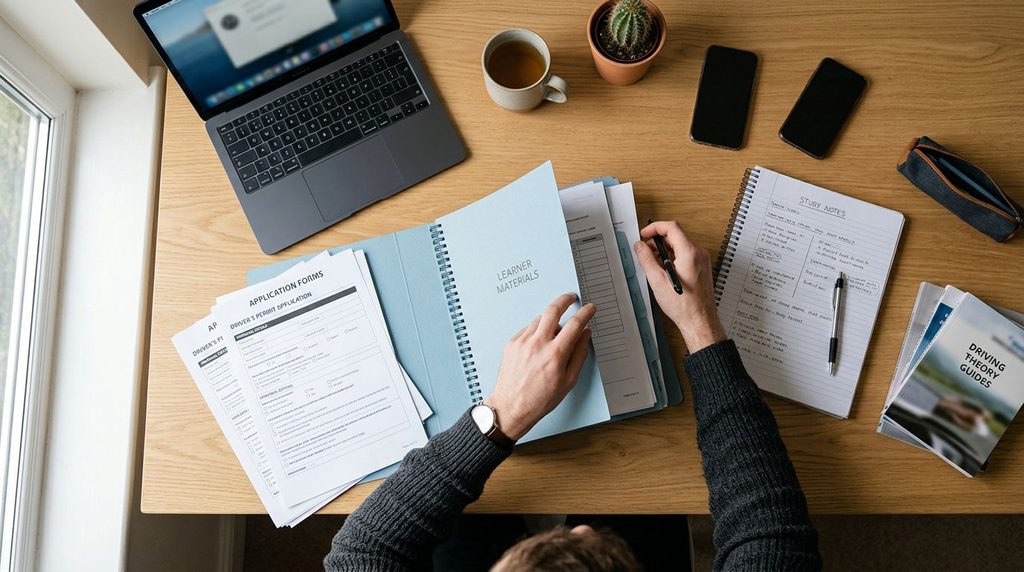
Create a folder for the required identification, application, education records, and appointment confirmation. Check fees and accepted payment methods directly with the agency. When names differ across documents, ask what supporting records are needed before attending your appointment.
Confirm Any Required Driver Education
Before paying for a course, confirm that your state accepts it for your age and application. Florida’s Driver Education Traffic Safety guidance requires a six-hour course for covered first-time applicants under 18, effective August 1, 2025. Approved school-based alternatives and specified exceptions apply. An older course recommendation may not fit a new applicant.
Can You Take the Learner’s Permit Test Online?
Some states offer at-home knowledge testing, but eligibility and procedures differ. Wisconsin lists an online option for ages 15–17 with parent or guardian monitoring. Its official knowledge-test instructions also explain that passing applicants must visit a service center to obtain their instruction permit. Check service notices before starting.
New York offers eligible applicants under 18 an online test during its pre-screening process, followed by an office visit. Its DMV requires three business days to review online results and identity documents before completing that transaction.
Check Equipment and Supervision Requirements
Do not assume you can use a phone. Oregon’s online testing requirements specify a desktop or laptop, keyboard, mouse, and working webcam. Applicants under 18 need a registered proctor. Review your state’s identity checks, testing rules, accessibility options, and retake limits before paying.
Before starting, read the testing rules and check what assistance a proctor may provide. Close unnecessary tabs and put away materials that the testing rules do not allow. Ask the agency about language or accessibility support in advance rather than improvising on test day.
Save registration details and instructions about receiving your results. Keep any required completion confirmation for your office visit, but remember that a test-result email is not itself a learner’s permit.
A Practice Quiz Is Not the Official Exam
Separate study tools from the licensing test. Wisconsin explicitly distinguishes its free practice resources from the official knowledge test. Follow your agency’s link to an approved testing provider rather than assuming a search advertisement leads to an authorized exam.
Study the Rules, Not Just the Answer Choices
Make your current state driver handbook the main study resource. New York provides an official driver manual and practice tests; other agencies provide their own materials. Review road signs, intersections, pedestrian crossings, lane markings, and the responsibilities described in your handbook.
Try a simple routine: read one topic, answer practice questions, and explain missed answers in your own words. Return to the relevant handbook passage rather than memorizing the correct letter. A high score on repeated questions is not a guarantee that you understand unfamiliar situations.
Write down questions to discuss with your instructor, especially when a diagram or intersection rule is unclear. Use practice results to decide what to review next, not as permission to skip official application steps.
What Happens After You Pass?
Passing the knowledge test does not automatically complete permit issuance. Depending on your state, document verification, vision screening, photographs, fees, or other steps may remain. Follow the agency’s instructions and confirm that your permit is valid for practice before driving. Wisconsin and New York both describe additional office steps after an online pass.
Plan Supervised Practice Before Your First Drive
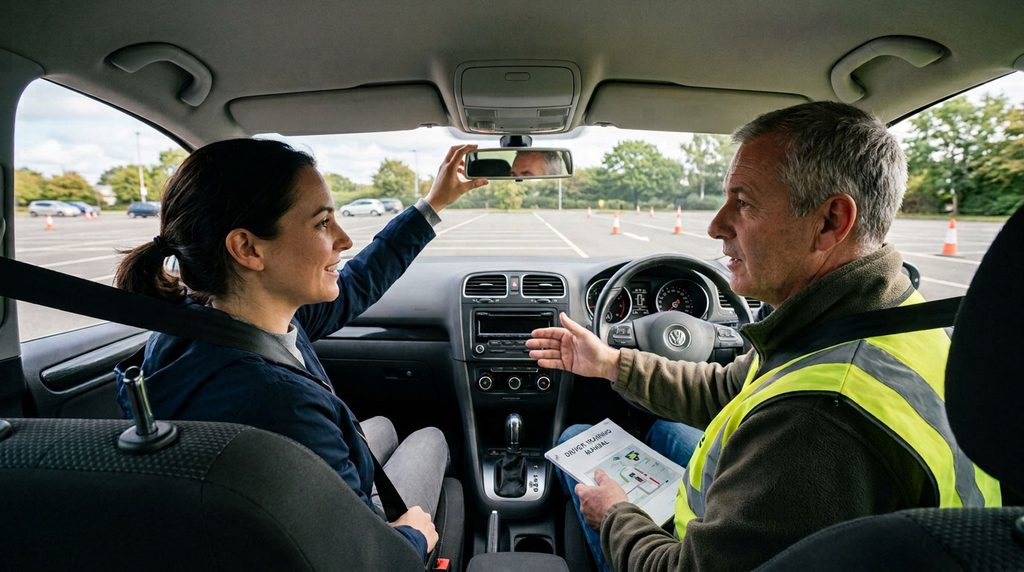
Check who qualifies to supervise, where that person must sit, and any passenger, nighttime, or practice restrictions. Also confirm how to record required driving hours. NHTSA’s teen driving resources encourage parental involvement, supervised practice, seat belt use, and limits on distractions.
With your qualified supervisor, choose an appropriate practice setting and a manageable goal. Begin by discussing vehicle controls and expectations. Keep the focus on learning rather than rushing toward a road-test date.
A 2026 Requirement to Watch in Washington
Washington’s learner permit guidance announces a free online work-zone and first-responder safety course for first-time license applicants under 25 starting November 1, 2026. This is a later licensing requirement, not a nationwide permit rule or a requirement already in effect in September.
Questions to Ask Before You Apply
How Much Will My Permit Cost?
Check the agency’s current fee schedule for your age and credential. Ask whether testing, permit issuance, third-party services, and retakes have separate charges. Use those confirmed amounts for your budget instead of a nationwide estimate.
What Happens If I Do Not Pass?
Check the waiting period and attempt limit for your testing route. Review the topics you missed before rebooking. For example, Wisconsin permits two online attempts before requiring further testing at a DMV service center. Do not assume another state’s retake policy applies.
Take the Next Step With a Clear Plan
Start with three tasks: read your state’s permit page, gather its required documents, and study the official handbook. Then confirm your testing route and arrange qualified supervision for when your permit becomes valid.
Explore more driving articles for new drivers, or visit Student Drivers for an introduction to the learning journey.
This guide is for general education. State requirements can change. Confirm current instructions with your licensing agency before applying, testing, or practicing.